Welcome to Our Company




 Send Inquiry
12% To 14% Manganese Hot Roll Steel Plates
Price 120 INR/ Kilograms
MOQ : 100 Kilograms
12% To 14% Manganese Hot Roll Steel Plates Specification
- Steel Type
- Manganese Steel
- Steel Product Type
- Steel Plates
- Shape
- Plate
- Surface
- Polishing
- Application
- Construction
- Color
- Silver
12% To 14% Manganese Hot Roll Steel Plates Trade Information
- Minimum Order Quantity
- 100 Kilograms
- Supply Ability
- 5000 Kilograms Per Month
- Delivery Time
- 7 Days
About 12% To 14% Manganese Hot Roll Steel Plates
Chemical Composition Of Manganese Steel Plates & Sheets
|
Elements |
C |
Mn |
Si |
S |
P |
|---|---|---|---|---|---|
|
ASTM 128 Gr B2 |
1.05 1.2 |
11.5 -14 |
1.0 |
|
0.070 |
|
Manganese |
1.13 - 1.2 |
11.5 -14 |
0.40 |
0.003 |
0.020 |
Mechanical Properties Of Manganese Steel Plates & Sheets
|
YIELD |
TENSILE UTS 20 C (68 F) |
ELONGATION |
CHARPY Kcvl 20C (4F) |
HARDNESS BHN |
|---|---|---|---|---|
|
350 MPa 51 KSI |
940 MPa 136 KSI |
(5d) 40% |
140J/cm2 100 ft. lbs |
220 to 540 |
Physical Properties Of Manganese Steel Plates & Sheets
|
Density |
Expansion Coeff 0-600C
|
Specific Heat
|
Electrical Resistivity
|
Thermal Conductivity
|
Magnetic Permability
|
|
|---|---|---|---|---|---|---|
|
Metric |
7.88 |
10 C |
J/Metric Kg. C |
|
W/m. C13 |
1.002 |
Engineered for Durability
The 12% to 14% Manganese Hot Roll Steel Plates are specifically designed to resist severe wear and tear. Their high manganese content gives them superior work-hardening properties, which makes them tougher as they endure repeated impact. This makes them particularly suitable for heavy-duty construction environments and machinery.
Quality Surface Finish
Our steel plates undergo precise hot rolling and professional polishing, resulting in a smooth, silver surface. The polished finish not only enhances their appearance but also provides extra resistance to corrosion and helps with easier cleaning, contributing to their longevity on construction sites.
Wide Application in Construction
These manganese steel plates are widely used in the construction sector for making equipment and structures that face constant abrasion and heavy loads. Their unique composition ensures reliability and strength in industries ranging from mining and earthmoving to concrete and building reinforcement.
FAQ's of 12% To 14% Manganese Hot Roll Steel Plates:
Q: How are 12% to 14% Manganese Hot Roll Steel Plates different from regular steel plates?
A: Manganese steel plates contain a much higher percentage of manganese (12% to 14%), offering superior resistance to impact and abrasion compared to standard steel plates. This property makes them ideal for demanding construction and industrial applications.Q: What is the main process used to manufacture these steel plates?
A: These plates are manufactured through a hot rolling process followed by surface polishing. This method enhances the plates' structural integrity and produces a durable, smooth, silver finish suitable for tough environments.Q: Where are these manganese steel plates commonly used?
A: They are predominantly used in construction, mining, earthmoving machinery, and industrial applications where high resistance to wear and impact is necessary. Their robustness ensures a longer operational lifespan even in harsh working conditions.Q: What are the benefits of using manganese steel plates in construction projects?
A: Manganese steel plates offer exceptional toughness and work-hardening capability, making them ideal for high-impact and high-wear areas. Their durability leads to reduced maintenance costs and better performance over time.Q: When should you choose manganese steel plates over other steel types?
A: Choose manganese steel plates when your project demands high abrasion resistance and the ability to withstand repeated impacts, such as in heavy-duty construction equipment, crushers, and earthmoving applications.Q: How does the polished surface contribute to the plate's utility?
A: The polished finish enhances corrosion resistance, improves visual appeal, and makes the plates easier to clean and maintain, which is especially beneficial in construction environments.Q: What advantage does sourcing from an Indian supplier, exporter, and manufacturer provide?
A: Working with a reputed Indian supplier ensures quality assurance, reliable supply chains, and access to competitive pricing, backed by expertise in metallurgy and international standards.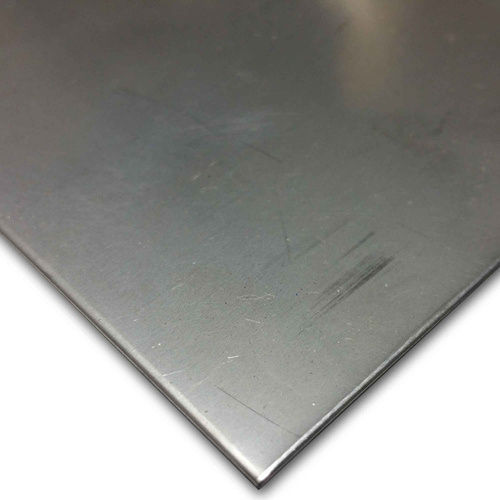
Tell us about your requirement

Price:
Quantity
Select Unit
- 50
- 100
- 200
- 250
- 500
- 1000+
Additional detail
Mobile number
Email

More Products in Manganese Steel Plates Category
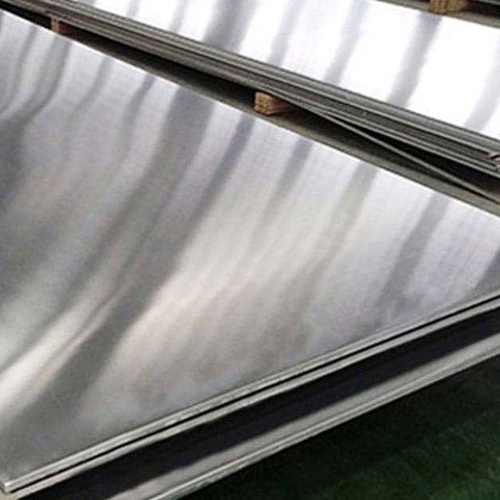
Manganese Steel Plates
Price 120 INR / Kilograms
Minimum Order Quantity : 100 Kilograms
Surface : Polishing
Color : Silver
Steel Product Type : Steel Plates
Shape : Plate

ACRONI x12 Manganese Plates
Price 130 INR / Kilograms
Minimum Order Quantity : 100 Kilograms
Surface : Polishing
Color : Silver
Steel Product Type : Steel Plates
Shape : Plate
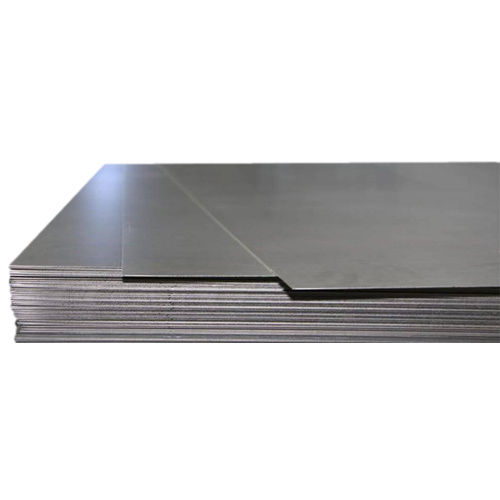
12% To 14% Manganese Steel Plates And Sheets
Price 140 INR / Kilograms
Minimum Order Quantity : 100 Kilograms
Surface : Polishing
Color : Silver
Steel Product Type : Steel Plates
Shape : Plate
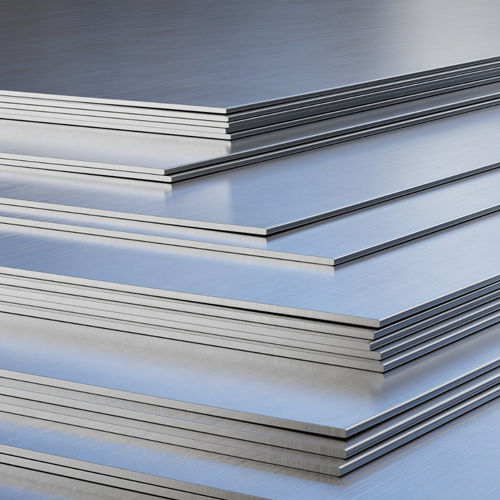
X120Mn12 Manganese Steel Plates
Price 120 INR / Kilograms
Minimum Order Quantity : 100 Kilograms
Surface : Polishing
Color : Silver
Steel Product Type : Steel Plates
Shape : Plate

Diamond Alloys Inc
GST : 27AQCPC2714K1Z4
GST : 27AQCPC2714K1Z4
Contact Details

- Office No 105, 1st Floor, 72/74, Annapurna Sadan Tower, Above Patanjali Store, v. P.Mumbai - 400004, Maharashtra, India
- Phone :07971190512

- Mr Naresh Patel (Sales Head)
- Mobile :07971190512
- Send Inquiry
New Office Address : 1st Floor Office / Shop No.105, Plot No. 2879, 2882 & 2883, Annapurna Sadan Vitthalbhai Patel Road, C. P. Tank Circle Girgaon, Mumbai - 400004, Maharashtra, India
Works Address : Plot No. 1556, Steel Market Kalamboli, Navi Mumbai - 410218, Maharashtra, India
 Send Inquiry
 Send Inquiry
 Send SMS
Diamond Alloys Inc.
All Rights Reserved.(Terms of Use)
Developed and Managed by Infocom Network Private Limited.
Developed and Managed by Infocom Network Private Limited.

