Welcome to Our Company



 Send Inquiry
SA 516 GR 65N NACE Plus HIC Plates
Price 100 INR/ Kilograms
MOQ : 100 Kilograms
SA 516 GR 65N NACE Plus HIC Plates Specification
- Steel Product Type
- Steel Plates
- Shape
- Plate
- Surface
- Polishing
- Application
- Construction
- Color
- Silver
SA 516 GR 65N NACE Plus HIC Plates Trade Information
- Minimum Order Quantity
- 100 Kilograms
- Supply Ability
- 5000 Kilograms Per Month
- Delivery Time
- 7 Days
About SA 516 GR 65N NACE Plus HIC Plates
EQUIVALENT GRADE OF A516 GR.65N NACE BOILER PLATES
| British Standard | European Norm | ASTM/ASME | DIN |
| BS1501-224-460A/B | EN10028 P295GH | A/SA516 - Grade 65 | DIN 17155 17 MN 4 |
SPECIFICATION
| Grade | ASME SA 516 GR.65N Boiler and Pressure Vessel Steel Plates |
|---|---|
| Width | 1000mm-4500mm |
| Thickness | 5mm-150mm |
| Length | 3000mm-18000mm |
| Supply Condition | As Rolled, Normalized Rolling, Furnace Normalizing, Vacuum Degassing, Simulated Post-Weld Heat Treatment or as per customer requirement. |
| Impact tested | 52 deg C |
| Tempering | Notch toughness can be improved by quenched cooling from hot rolling or normalizing by the supplier. If such a faster cooling rate is agreed upon between purchaser and supplier then the steel is also to be tempered at 1200 F. |
| Applications | Used for weld fabrication of pressure vessels that require improved notch toughness for lower than ambient temperature service. |
| Process of Manufacturing | Hot-Rolled (HR) |
CHEMICAL COMPOSITION OF A516 BQ GR.65N NACE AND HIC STEEL PLATES
| C | Si | Mn | P | S | Al | Cr | Cu | Ni | Mo | Nb | Ti | V |
| 0.08/0.20 | 0.4 | 0.9/1.5 | 0.03 | 0.03 | 0.02 | 0.3 | 0.3 | 0.3 | 0.08 | 0.01 | 0.03 | 0.02 |
MECHANICAL PROPERTIES OF NACE RESISTANT STEEL PLATES
| Tensile strength (ksi) | Tensile strength (MPa) | Yield strength (ksi) | Yield strength (MPa) | Elongation in 200mm (min)(%) | Elongation in 50mm (min) (%) |
| 65-85 | 450-585 | 35 | 240 | 19 | 23 |
High-Performance Steel for Critical Construction
SA 516 GR 65N NACE Plus HIC Plates are preferred for high-stakes construction tasks due to their resilience against hydrogen-induced cracking. The polished silver surface not only adds aesthetic value but also enhances corrosion resistance. Popular across construction, infrastructure, and energy sectors, these plates ensure long-lasting performance even under challenging environmental conditions.
Precision Manufacturing and Quality Compliance
Each plate undergoes stringent manufacturing processes to comply with international standards and NACE specifications. Advanced polishing techniques provide a smooth, durable finish, while careful quality control ensures consistent material strength and reliability. These plates are trusted by importers, exporters, and suppliers for meeting both domestic and global engineering requirements.
FAQ's of SA 516 GR 65N NACE Plus HIC Plates:
Q: How are SA 516 GR 65N NACE Plus HIC Plates typically used in construction projects?
A: These steel plates are predominantly utilized in the construction of pressure vessels, storage tanks, and structural components where high resistance to cracking and corrosion is crucial, especially in environments exposed to hydrogen sulfide.Q: What benefits do HIC-resistant plates offer over standard steel plates?
A: HIC-resistant plates like SA 516 GR 65N NACE Plus minimize the risk of hydrogen-induced cracking, ensuring better performance and longevity of structures exposed to corrosive media and hydrogen-rich atmospheres, thereby enhancing overall safety.Q: When should I choose SA 516 GR 65N NACE Plus HIC Plates for my project?
A: These plates are ideal whenever your project demands high durability and resistance to localized corrosion, such as in oil refineries, chemical plants, or marine environments where safety and reliability are paramount.Q: Where are these steel plates commonly available in India?
A: SA 516 GR 65N NACE Plus HIC Plates are widely distributed across India through established manufacturers, distributors, suppliers, exporters, importers, traders, and wholesalers, ensuring easy access for construction and industrial sectors.Q: What is the process used to manufacture and polish these steel plates?
A: The manufacturing process involves carefully controlled steel composition, followed by heat treatment and thorough surface polishing. This enhances both mechanical strength and surface smoothness, contributing to the plate's durability and resistance properties.Q: How does the polished surface benefit the plate's application in industrial settings?
A: A polished surface improves corrosion resistance, simplifies maintenance, and offers a visually appealing finish, making these plates suitable for applications where both aesthetics and durability are critical.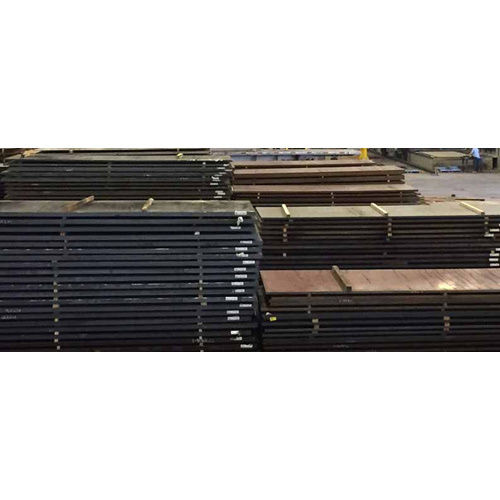
Tell us about your requirement

Price:
Quantity
Select Unit
- 50
- 100
- 200
- 250
- 500
- 1000+
Additional detail
Mobile number
Email

More Products in Nace And HIC Boiler Plates Category
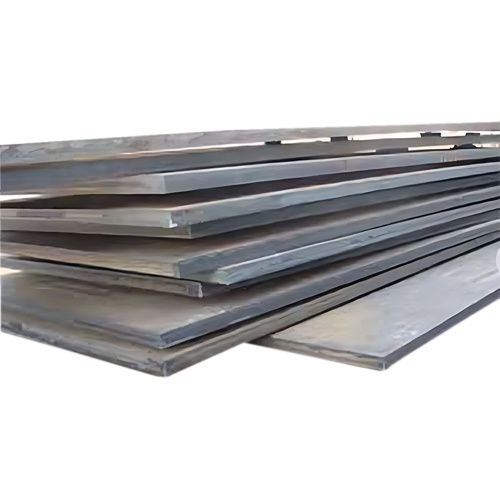
SA 516 GR 65N NACE MR 0103-0175 Plates
Price 80 INR / Kilograms
Minimum Order Quantity : 100 Kilograms
Application : Other, Pressure Vessels, Boilers, Oil & Gas Industry, Chemical Industries, Power Plants, Refineries
Surface : Mill Finish, Shot Blasted, Primer Coated (as required)
Color : Natural Steel Grey
Steel Product Type : Steel Plates
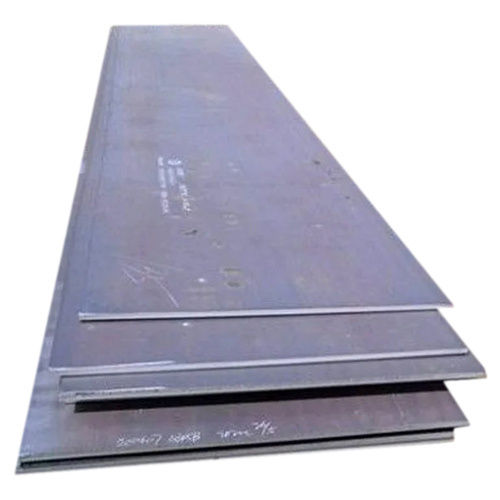
SA 516 GR 60N NACE Plus HIC Plates
Price 95 INR / Kilograms
Minimum Order Quantity : 100 Kilograms
Application : Other, Pressure Vessels, Boilers, Heat Exchangers, Oil & Gas Industry, Chemical Industry
Surface : Hot Rolled, Mill Finish
Color : Grey
Steel Product Type : Steel Plates
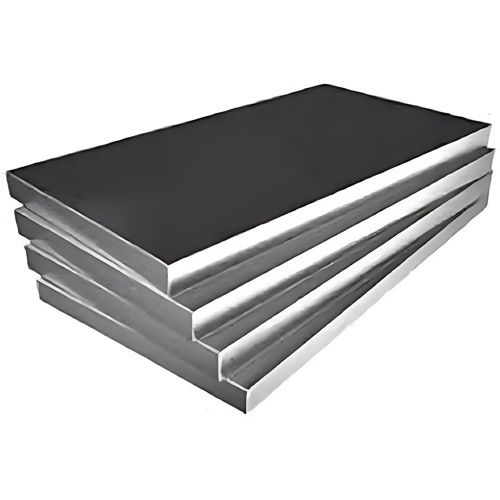
SA 516 GR 70N NACE Plus HIC Plates
Price 100 INR / Kilograms
Minimum Order Quantity : 100 Kilograms
Application : Other, Pressure Vessels, Boilers, Oil & Gas Industries, Petrochemical Plants, Energy Sector, Chemical Processing
Surface : Hot Rolled, Mill Finish
Color : Metallic Grey
Steel Product Type : Steel Plates
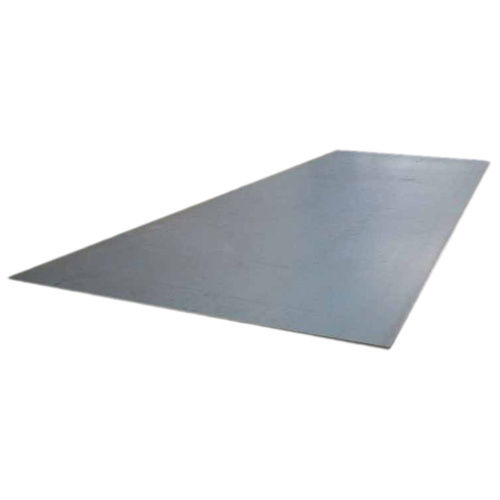
SA 516 GR 6070N NACE Plates
Price 80 INR / Kilograms
Minimum Order Quantity : 100 Kilograms
Application : Construction
Surface : Polishing
Color : Silver
Steel Product Type : Steel Plates

Diamond Alloys Inc
GST : 27AQCPC2714K1Z4
GST : 27AQCPC2714K1Z4
Contact Details

- Office No 105, 1st Floor, 72/74, Annapurna Sadan Tower, Above Patanjali Store, v. P.Mumbai - 400004, Maharashtra, India
- Phone :07971190512

- Mr Naresh Patel (Sales Head)
- Mobile :07971190512
- Send Inquiry
New Office Address : 1st Floor Office / Shop No.105, Plot No. 2879, 2882 & 2883, Annapurna Sadan Vitthalbhai Patel Road, C. P. Tank Circle Girgaon, Mumbai - 400004, Maharashtra, India
Works Address : Plot No. 1556, Steel Market Kalamboli, Navi Mumbai - 410218, Maharashtra, India
 Send Inquiry
 Send Inquiry
 Send SMS
Diamond Alloys Inc.
All Rights Reserved.(Terms of Use)
Developed and Managed by Infocom Network Private Limited.
Developed and Managed by Infocom Network Private Limited.

